
30. October 2024
vexia in Medical Practice
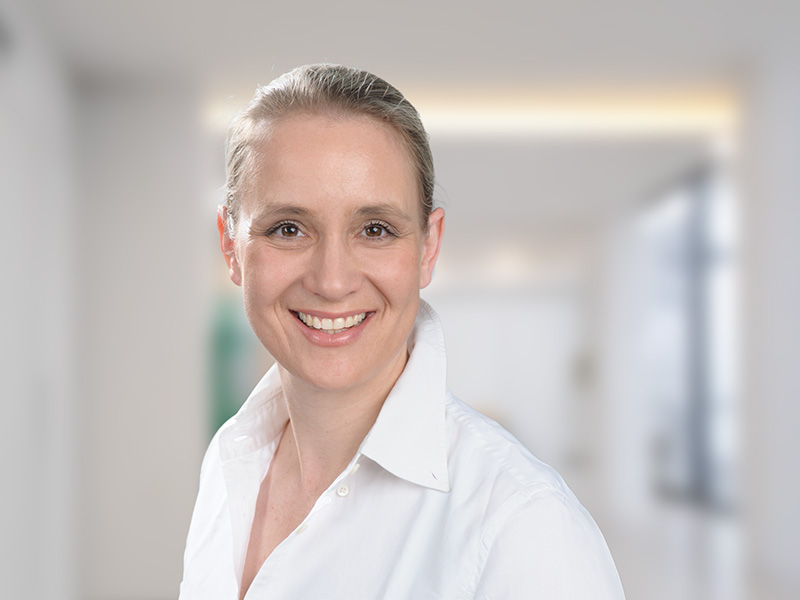
An Interview with Doz. Dr. Christina Ambros-Rudolph,
Graz, Austria
Doz. Dr. Christina Ambros-Rudolph is a specialist in dermatology and venereology with a practice in the center of Graz, Austria. She earned her medical doctorate from Karl-Franzens University of Graz and has studied at universities in Parma, London, Oxford and Stanford. From 1998 to 2013, she worked at the University Dermatology Clinic in Graz, where she spent 11 years as a senior physician in the general and emergency outpatient clinic. Since 2013 she has been working in her own practice.
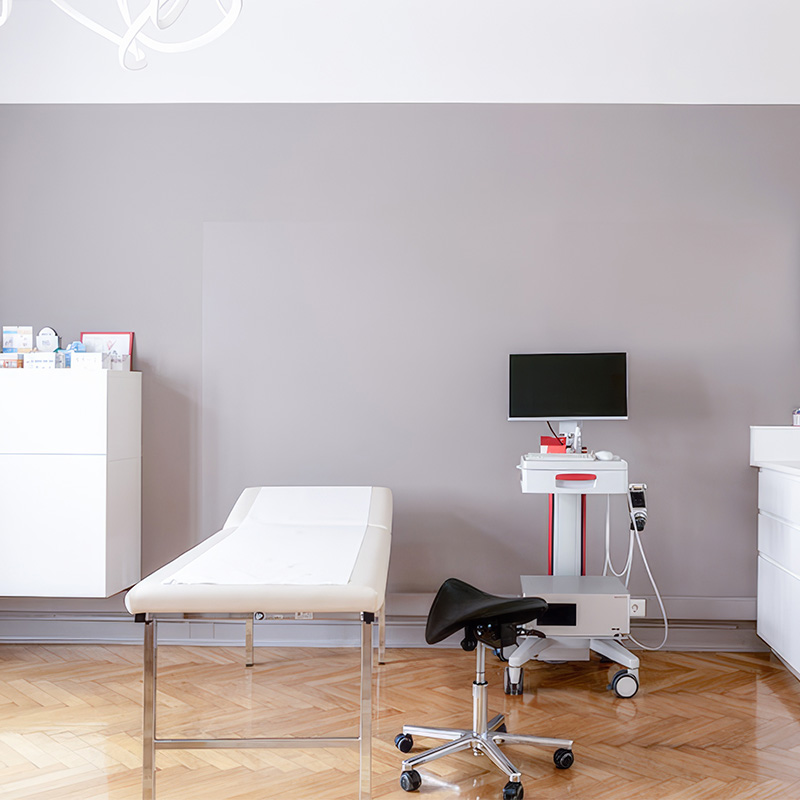
FF How long have you been working with FotoFinder and why did you choose the vexia model?
Doz. Dr. Christina Ambros-Rudolph My first FotoFinder was purchased in 2012 in a group practice. After establishing my own practice in 2019, I started using the FotoFinder vexia system with its significantly improved camera.
I was already familiar with the vexia model from various locums for colleagues, so I knew that FotoFinder was the right choice for me.
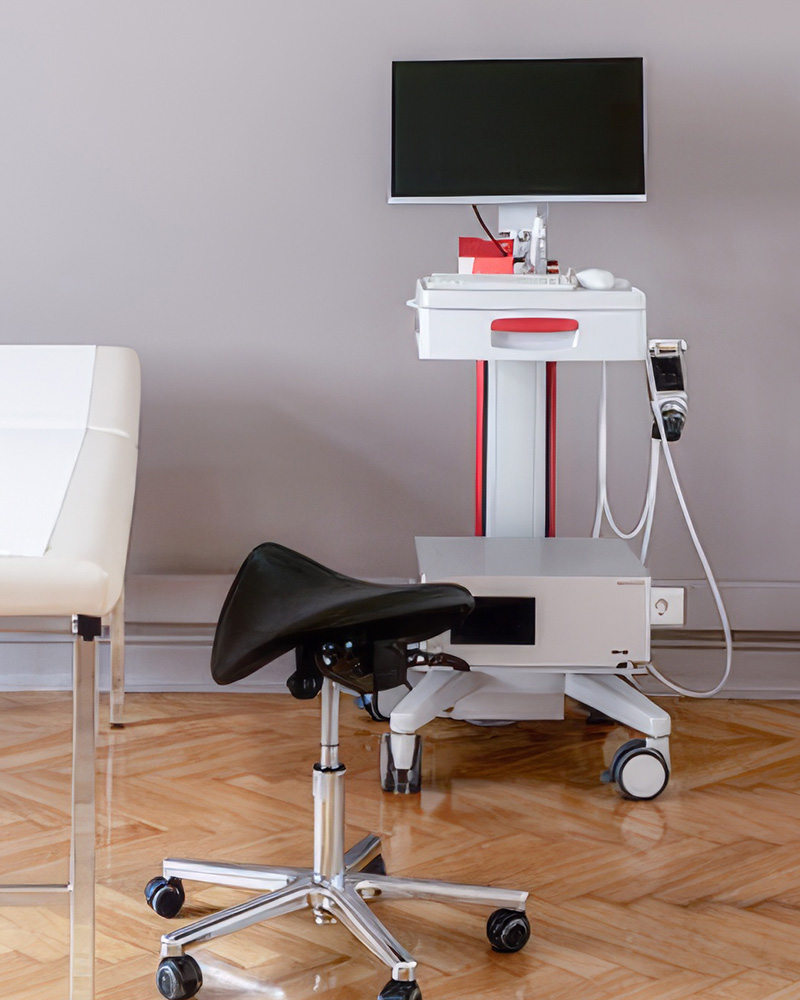
FF What services do you offer and how has FotoFinder technology changed the way you work?
Doz. Dr. Christina Ambros-Rudolph My focus is on mole mapping, skin cancer screening and follow-up care. I use the device on almost every patient. I also take macro and micro images before excisions and occasionally perform scalp examinations.
I personally do not use the artificial intelligence, but it is very helpful, especially for beginners and less experienced colleagues.
FF What do your patients think of the examination?
Doz. Dr. Christina Ambros-Rudolph My patients really appreciate the examination and are used to the fact that I rely on this proven method.