
Dermoscopy

Digital with Video

Digital dermoscopy supports the workflow in skin cancer screening by making it possible to detect abnormalities and changes in moles at an early stage and document them precisely. Atypical moles are recorded microscopically, documented and analyzed using artificial intelligence (AI).

Video Dermoscopy

Follow-Up

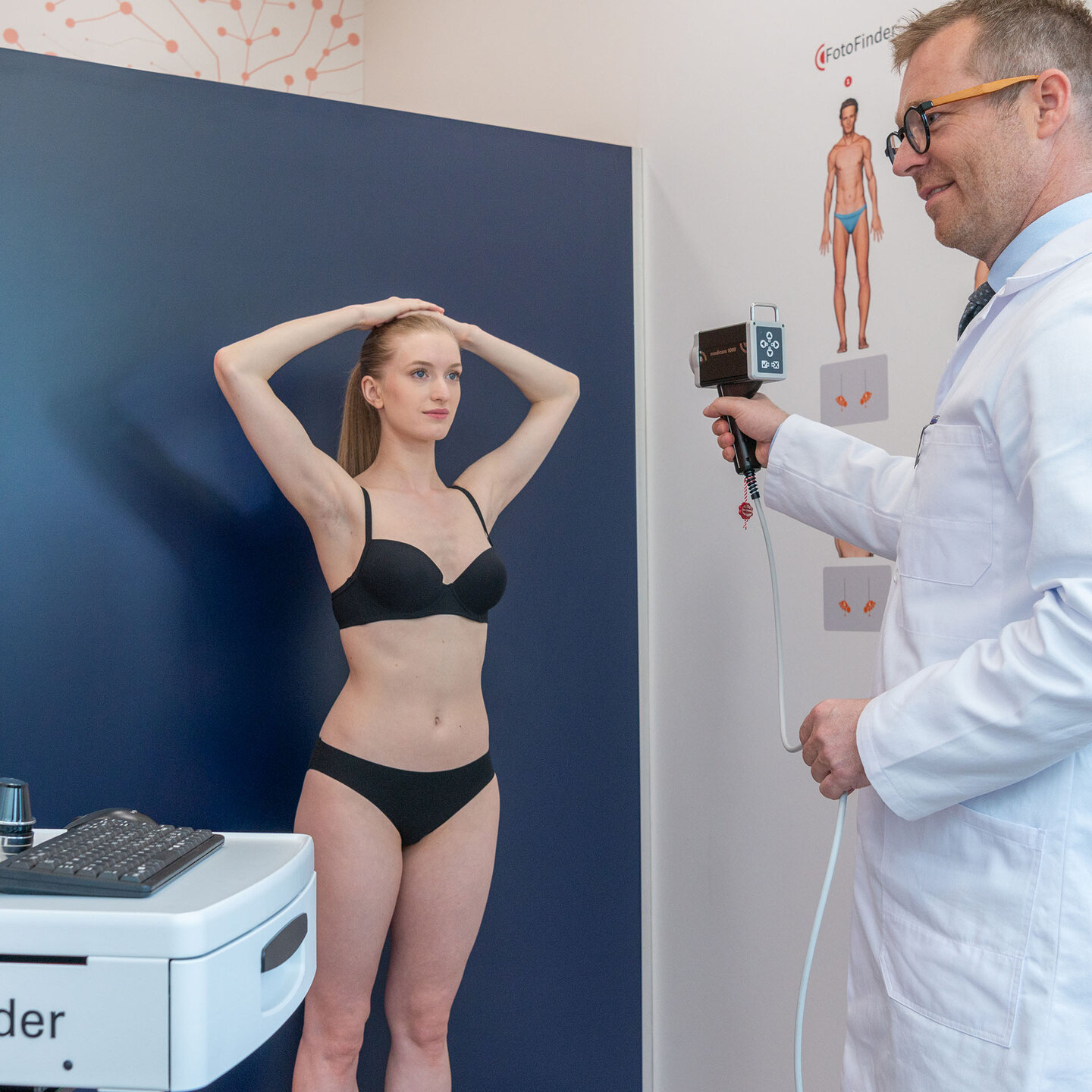
Recording of video dermatoscopic images on a female patient

Guided Dermoscopy

Precise, Time-Saving and Intuitive – for Optimal Skin Documentation

The Guided Dermoscopy function makes it easy to create overview images from head to toe with the FotoFinder medicam 1000s. A standardized imaging protocol supports you and ensures an efficient workflow.

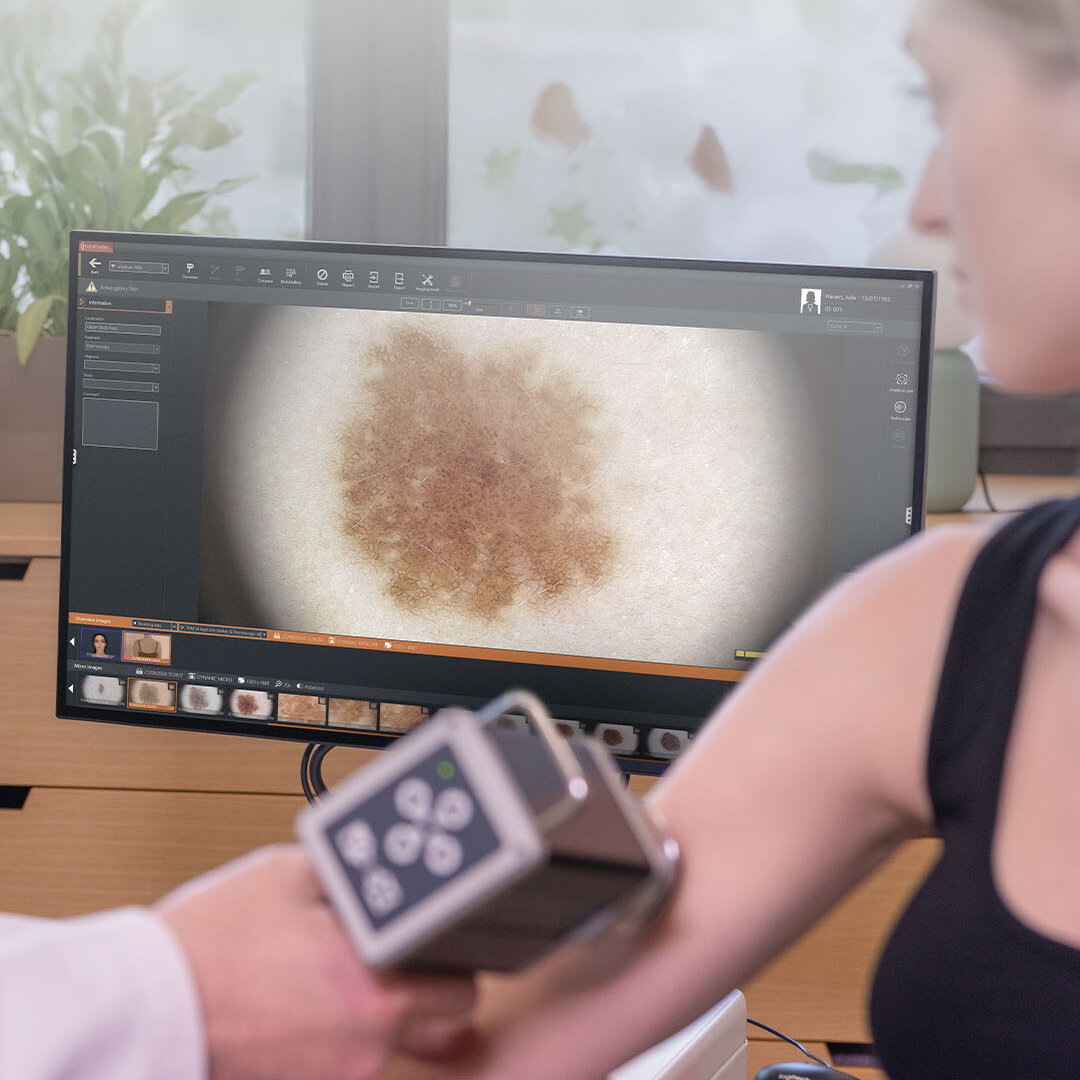
Dermoscopy of a mole using the medicam 1000s and vexia system.

Every Detail Counts

Reflected Light Microscopy and Documentation of Individual Lesions

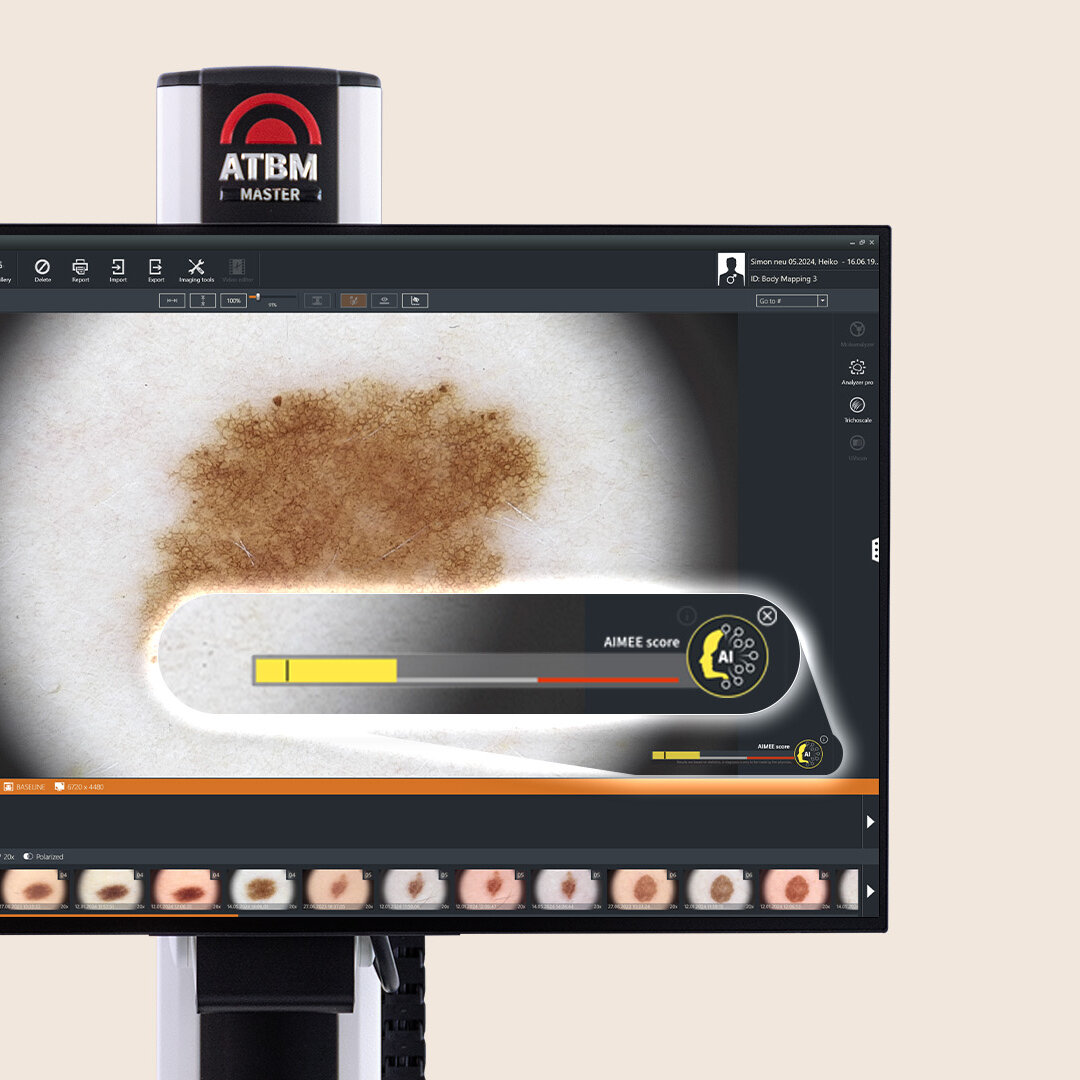
The software accelerates and supports your decision-making process by using artificial intelligence (AI) to assess skin lesions. The AI analyzes patterns and characteristics of the lesions and provides valuable information for a more accurate diagnosis.

Dermoscopy Software Moleanalyzer Pro including AI software

Always on the Safe Side

AIMEE AI Assistant for Quick Assessments

AIMEE accelerates evaluation by pre-assessing lesions with AI. Patterns and features are highlighted to provide valuable guidance for clinical assessment.

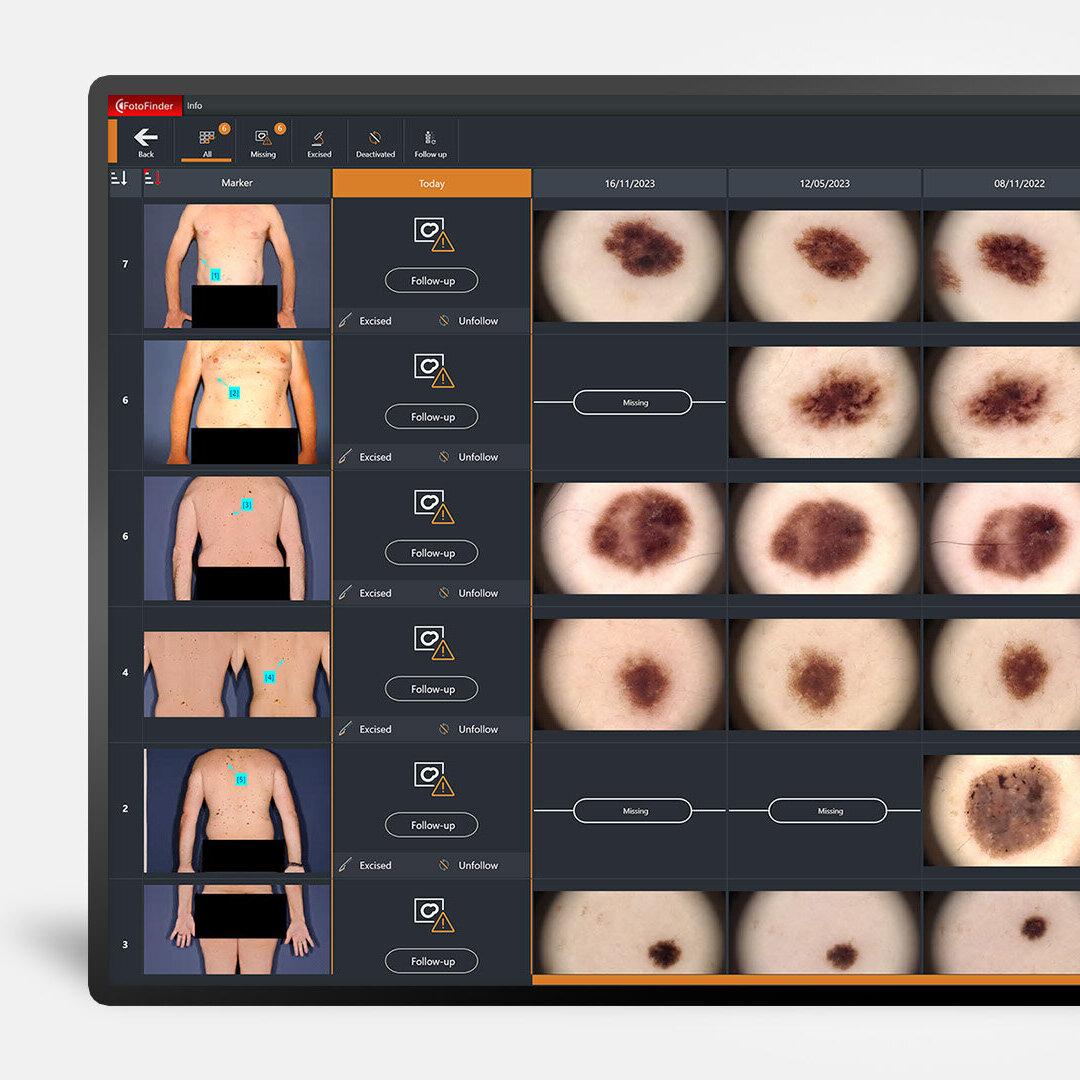
Screen with MoleGallery

Every Change at a Glance

MoleGallery

MoleGallery enables you to efficiently track and evaluate changes. It shows the dermoscopic development of individual lesions over time. This saves time and expands your diagnostic options. You can quickly see whether a lesion was overlooked during the last follow-up examination or whether something has changed.

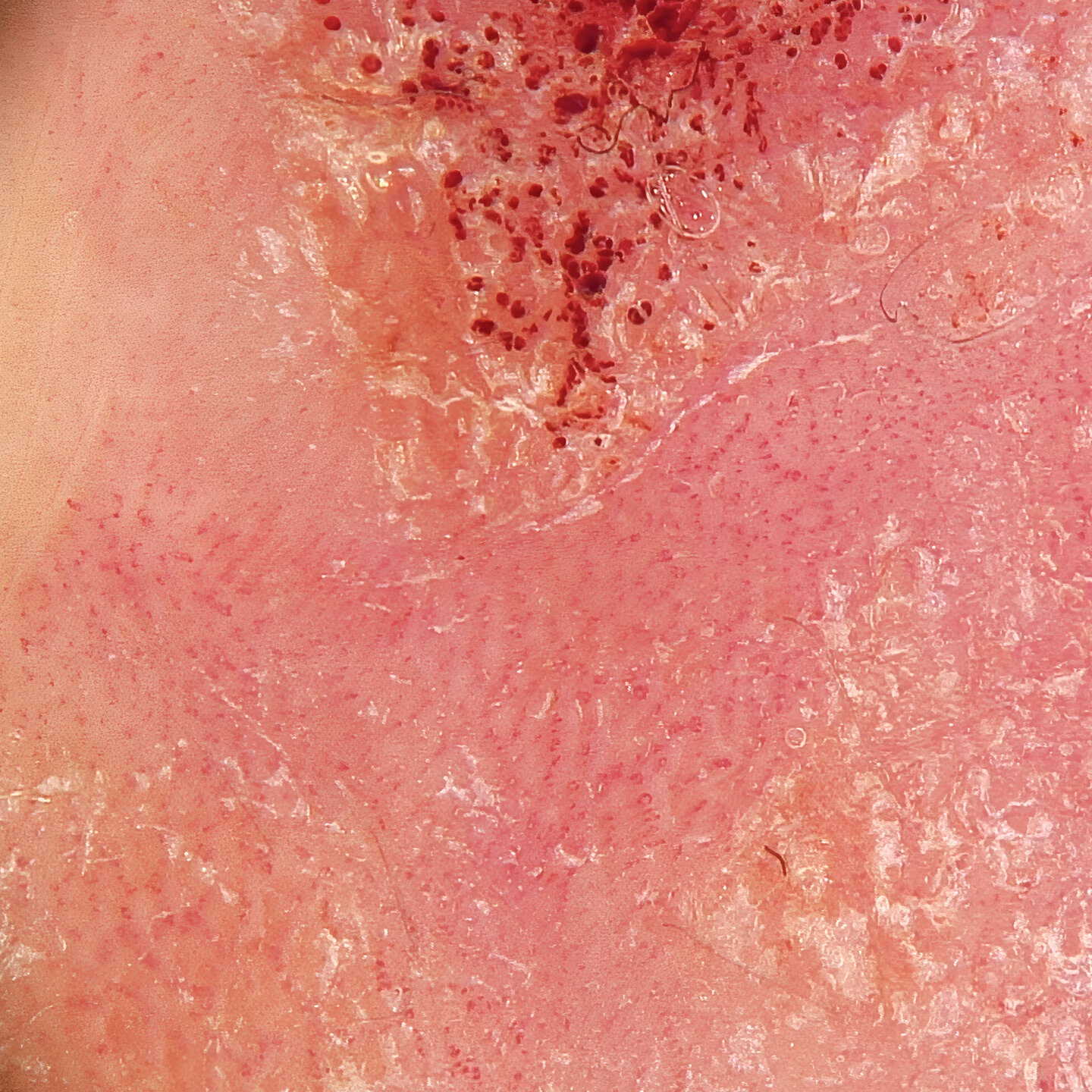
Dermatoscopic image of an inflammatory skin condition

Inflammoscopy

Dermoscopy, as a non-invasive examination method, can be used not only for targeted differentiation between malignant and benign skin tumors, but is also suitable for examining dermatoses such as eczema, rosacea, or lichen ruber. This significantly reduces the need for biopsies.
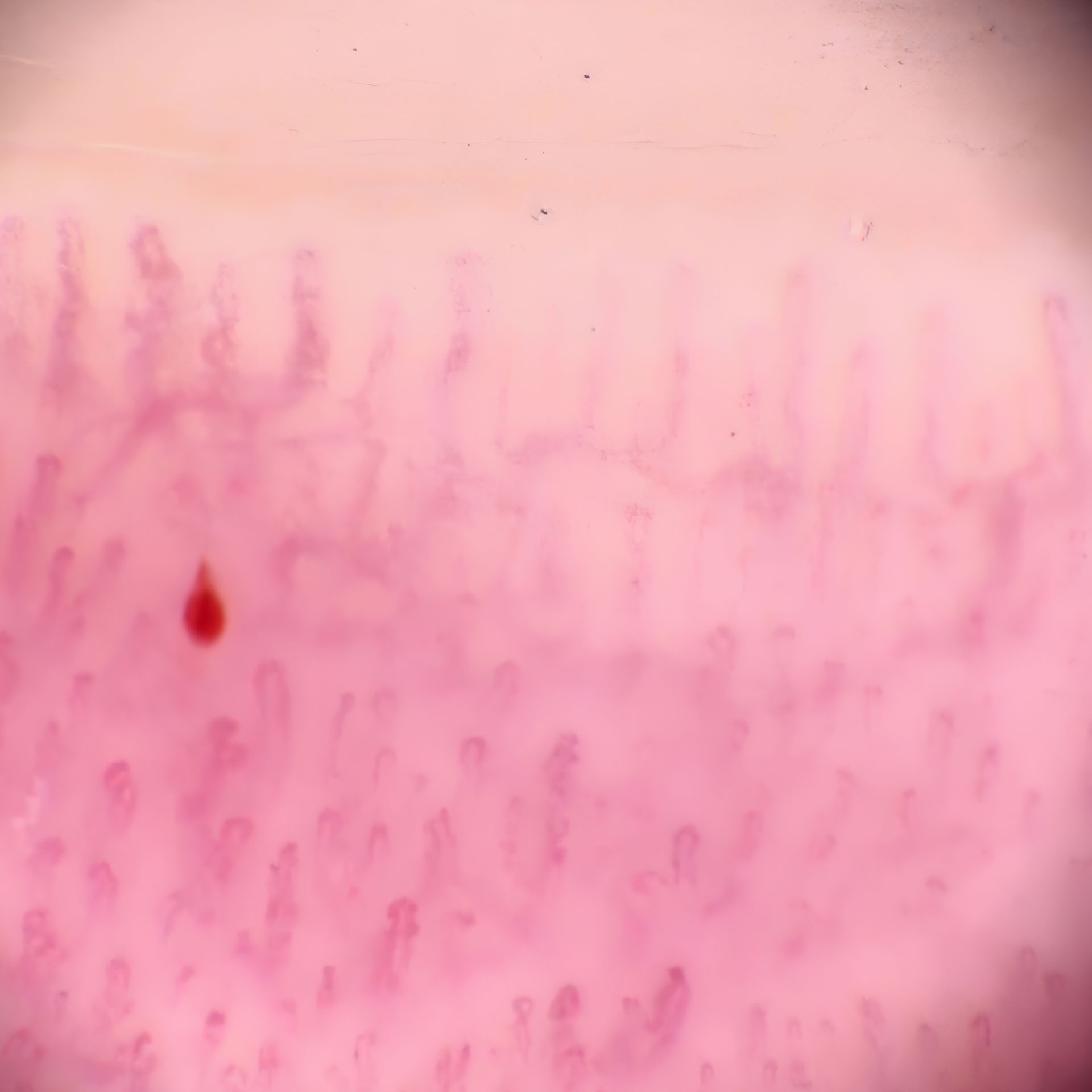
 

Capillaroscopic image of nailfold capillaries using the FotoFinder medicam system

Capillaroscopy

Using the D-Scope III enables nailfold video capillaroscopy for non-invasive examination of microcirculation and microvascular anomalies. With up to 400× magnification, the morphology and blood flow of the capillaries can be visualized, making erythrocyte movement clearly visible.
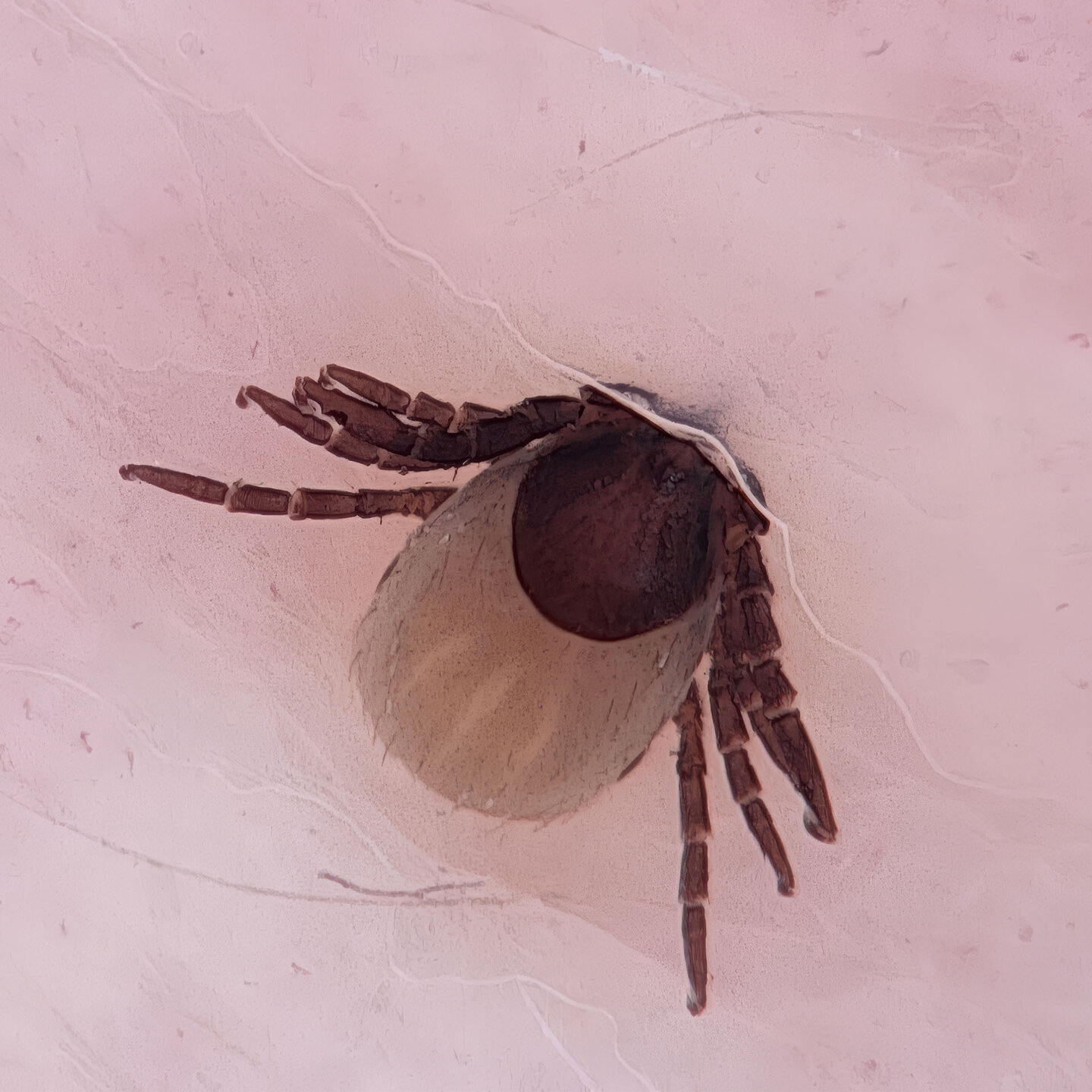
Macro image of a tick on human skin, captured with the medicam

Entomodermoscopy

In addition to documenting skin lesions, video dermoscopy is also highly suitable for examining skin areas affected by parasites. Thanks to the optical live zoom of the medicam, typical dermatoscopic patterns of scabies, Demodex mites, or other parasites (e.g. ticks, fleas, lice) can be impressively visualized.
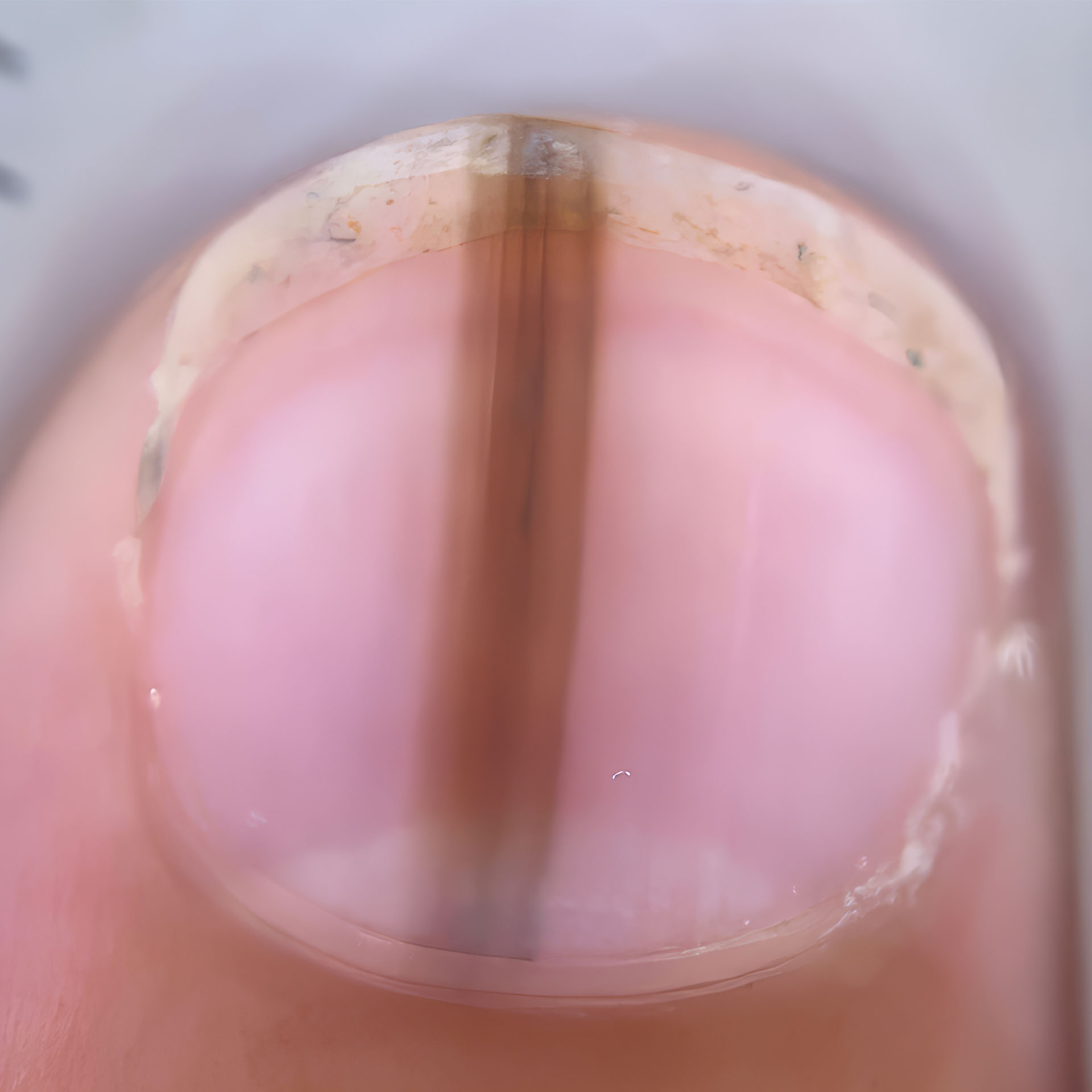
Nail abnormality under polarized light with the medicam

Onychoscopy

Onychoscopy allows precise assessment of pathological nail changes. With the high-resolution magnification of the medicam, typical patterns such as pitting in psoriasis, subungual hyperkeratoses, or melanotic streaks can be shown in detail. Particularly in cases of pigment changes, onychoscopy supports the early detection of malignant lesions and increases diagnostic accuracy.
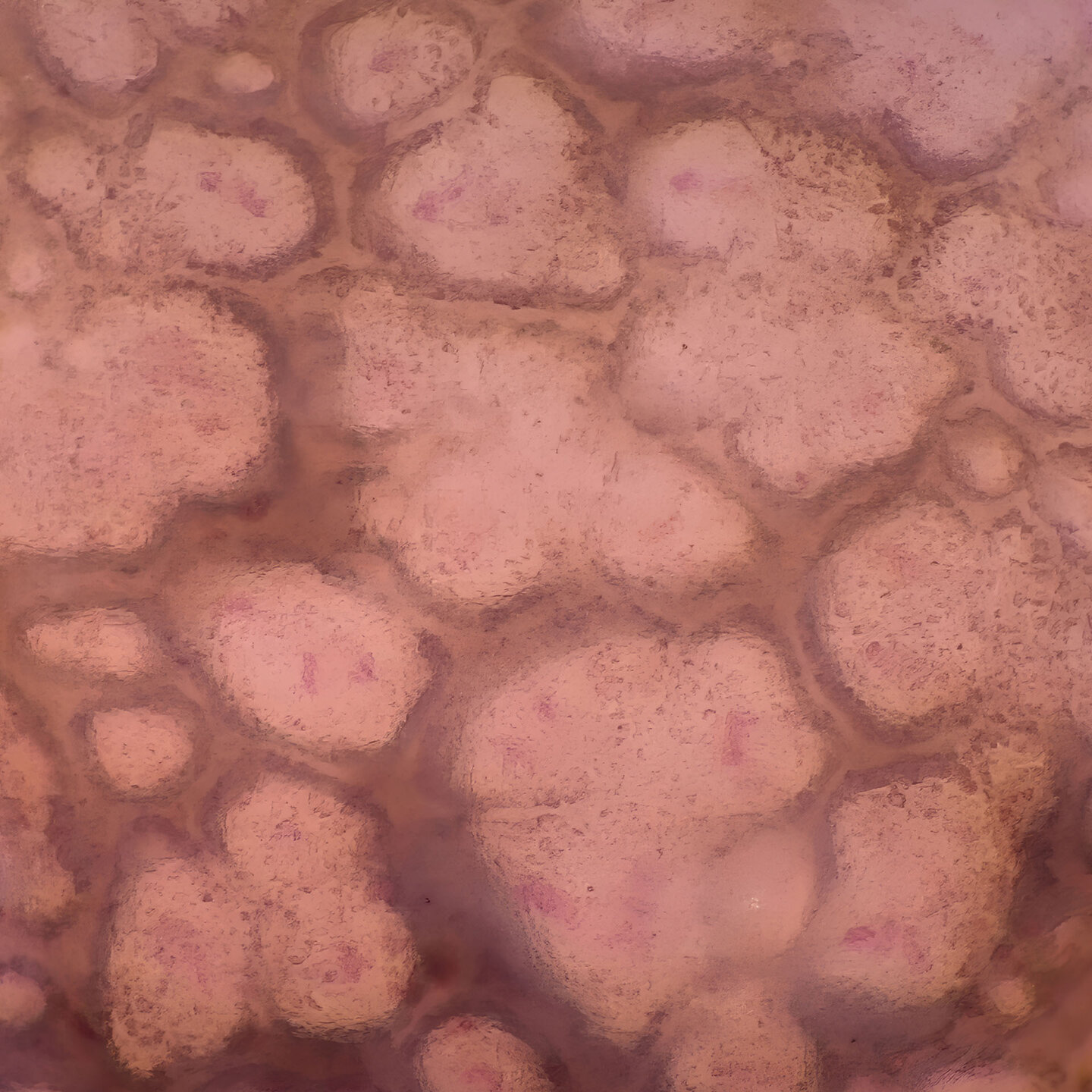
Dermatoscopic image of skin structures at 400x magnification

Optical Super-high Magnification Dermoscopy

The FotoFinder D-Scope III is a lens for extremely high optical magnifications. It enables microscopic imaging of skin lesions, microvessels, or capillary loops, achieving outstanding image quality with up to 400× optical magnification. The result is spectacular color images of cellular structures and patterns, making it a perfect complement to classical dermoscopy, optical coherence tomography (OCT), and confocal laser scan microscopy.